

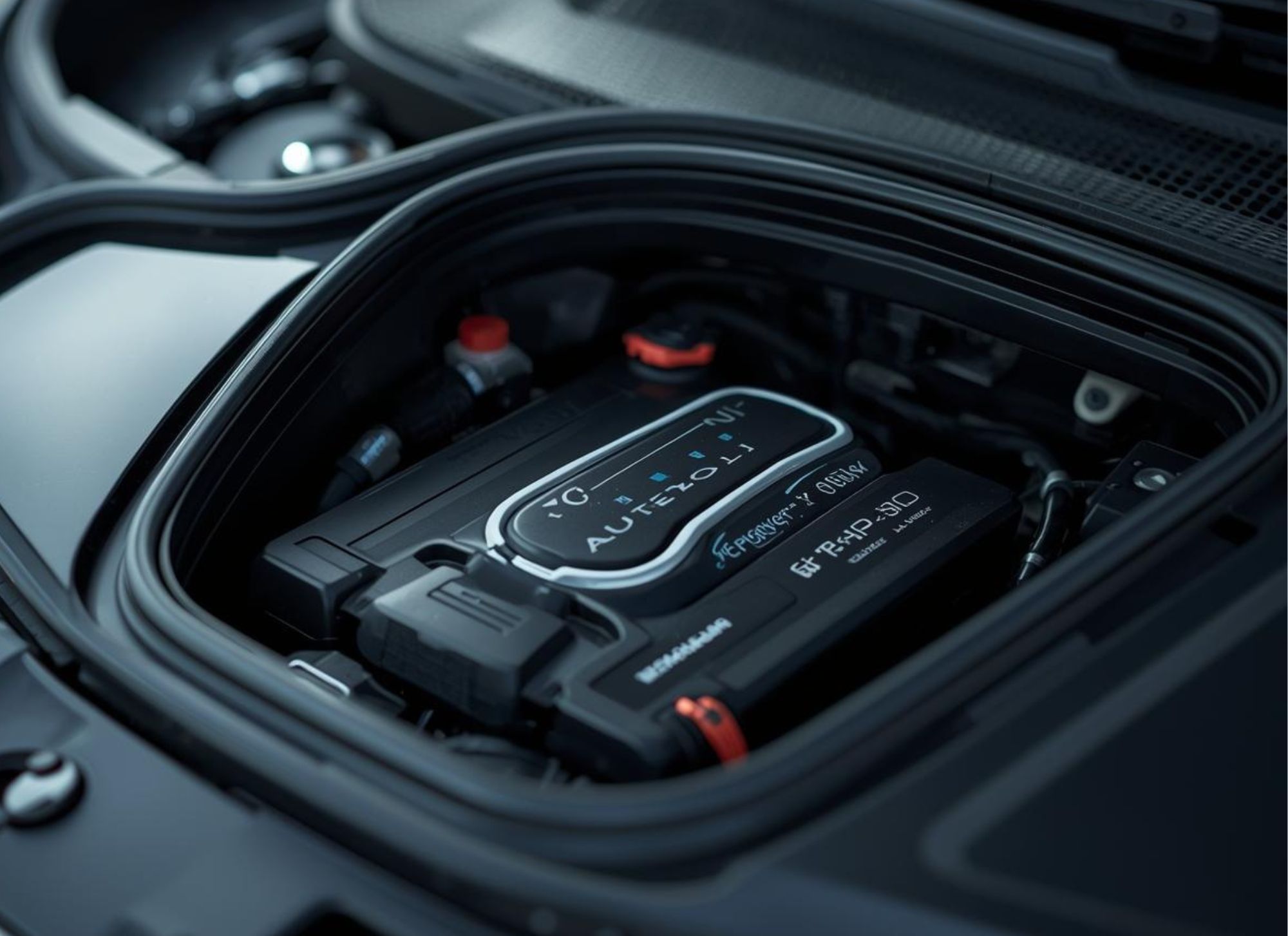
Discover the complete hybrid car maintenance guide for 2026. Learn expert strategies for battery care, brake systems, and advanced diagnostics that extend vehicle life and slash repair costs.
The $6,000 Mistake Most Hybrid Owners Make (And How to Avoid It)
Here’s a conversation I overhear at least once a month at the service center: “Wait, my hybrid battery died? I thought these things were supposed to last forever!”
The truth nobody tells you when you buy a hybrid: These vehicles are engineering marvels that can run for 200,000+ miles with minimal maintenance—but only if you understand what “minimal” actually means for a dual-powertrain vehicle.
I’ve spent the last eight years working with hybrid owners, from first-generation Prius drivers to brand-new RAV4 Prime enthusiasts. The pattern is always the same: Owners who understand their hybrid’s unique needs save thousands in repairs and drive their vehicles twice as long as those who treat them like conventional cars.
The shocking reality? About 60% of hybrid owners I meet are unknowingly shortening their vehicle’s lifespan through well-intentioned but misguided maintenance practices borrowed from their old gas-only cars.
What this guide delivers: A complete maintenance framework specifically designed for hybrid vehicles, backed by manufacturer engineering data, independent research studies, and real-world diagnostic insights from thousands of hybrid service records. This isn’t your dealer’s basic maintenance schedule—it’s a strategic approach to maximizing the unique advantages hybrid technology offers.
Why 2026 Changes Everything for Hybrid Maintenance
The Market Inflection Point
Something remarkable happened in 2024-2025: Hybrid vehicles became the default choice for mainstream buyers, not eco-enthusiasts. With full EV adoption stalling at range anxiety and charging infrastructure concerns, hybrids surged to capture over 18% of new vehicle sales—a 140% increase from just three years ago.
The maintenance implication: More hybrids on the road means more independent shops gaining hybrid expertise, better parts availability, and competitive service pricing. The “dealer-only” hybrid maintenance monopoly is finally breaking.
Technology Maturity Creates New Opportunities
Here’s what changed between 2020 and 2026 that fundamentally alters hybrid maintenance:
Battery technology evolution: Fourth-generation lithium-ion systems with thermal management so sophisticated that battery degradation dropped from 2-3% annually to under 1% with proper care. Translation: Your 2024-2026 hybrid’s battery should easily outlast the vehicle itself.
Predictive diagnostics revolution: Every major manufacturer now includes cloud-connected predictive maintenance that analyzes your specific driving patterns and alerts you before components fail. This shifts maintenance from reactive to proactive.
Supply chain normalization: The chip shortage and pandemic supply disruptions that plagued 2020-2023 have resolved, making hybrid-specific parts more available and affordable than ever.
Independent shop certification boom: ASE now offers specific hybrid certifications, and over 15,000 independent shops gained hybrid credentials in 2024-2025 alone. You’re no longer limited to expensive dealership service.
The Efficiency Gap That Maintenance Creates
Here’s the data that should terrify every hybrid owner: A well-maintained hybrid achieves 15-25% better real-world fuel economy than an identical but poorly-maintained hybrid.
The mathematics: On a vehicle getting 45 MPG well-maintained versus 38 MPG poorly-maintained:
- Annual mileage: 12,000 miles
- Well-maintained fuel cost: $848 (at $3.18/gallon)
- Poorly-maintained fuel cost: $1,004
- Annual waste from poor maintenance: $156
Over a typical 8-year ownership period, that’s $1,248 in pure fuel waste—before accounting for accelerated component failures and reduced resale value.
Strategy #1: Rethinking Oil Changes for Hybrid Duty Cycles
Every hybrid owner hears “change your oil every 5,000 miles.” Almost none understand why that advice is simultaneously too aggressive and not aggressive enough for hybrid engines.
The Hybrid Engine Paradox
Your hybrid’s engine operates in a fundamentally different thermal environment than conventional engines:
Start-stop cycling: A typical hybrid engine starts and stops 8-15 times per hour in urban driving. A conventional engine starts once per trip. This creates radically different wear patterns.
Temperature instability: Conventional engines reach 195-220°F operating temperature and stay there. Hybrid engines cycle between 150°F (brief electric operation) and 210°F (combustion operation) dozens of times per trip.
Moisture accumulation challenge: Because hybrid engines spend significant time off or at partial temperature, combustion byproducts and moisture don’t fully evaporate. This creates acidic oil contamination that time-based intervals miss.
The Intelligent Oil Change Strategy
Abandon pure mileage-based thinking. Here’s the framework that actually works:
For low-mileage drivers (under 8,000 annual miles):
- Change every 6 months regardless of odometer reading
- Moisture and acid buildup occurs by time, not distance
- Cost: $60-80 synthetic change twice annually = $120-160
For average drivers (8,000-15,000 annual miles):
- Every 7,500 miles with quality full synthetic (0W-20 or 0W-16)
- Monitor oil color monthly—darkening indicates thermal stress
- Cost: $60-80 twice annually = $120-160
For high-mileage drivers (15,000+ annual miles):
- Every 10,000 miles maximum, but consider oil analysis at 8,000
- Extended highway driving reduces moisture contamination
- Cost: $60-80 plus $35 oil analysis = $95-115 annually
The Oil Specification Secret
Your owner’s manual lists approved oils. Here’s what it doesn’t explain about why the spec matters:
ILSAC GF-6B certification (2020+): Specifically engineered to prevent Low-Speed Pre-Ignition (LSPI) in turbocharged engines, which some modern hybrids now use. Using GF-6A oils (the previous standard) in these engines can cause catastrophic failure.
Viscosity selection intelligence: Many 2024-2026 hybrids specify 0W-16 oil. Using 0W-20 (the previous standard) increases internal friction by approximately 3%, costing you 0.5-1.0 MPG continuously.
The math: On a vehicle averaging 45 MPG:
- Correct 0W-16 oil: 45 MPG
- Wrong 0W-20 oil: 44 MPG
- Annual excess fuel cost (12,000 miles): $25-30
- Five-year excess cost: $125-150
That “insignificant” oil choice costs you more than the premium for correct oil.
DIY vs. Professional: The Hybrid Calculation
DIY oil change savings: $30-40 per change Annual savings (two changes): $60-80
Professional advantages for hybrids:
- Hybrid system visual inspection included
- Access to manufacturer technical service bulletins (TSBs)
- Proper disposal of potentially battery-contaminated oil
- Hybrid-specific diagnostic capability
The strategic approach: DIY routine changes, professional annual comprehensive inspection including oil change. Best of both worlds.
Strategy #2: Battery Management That Actually Extends Lifespan
Let’s address the anxiety: “When will my battery die, and what will it cost?”
The good news: With proper management, your 2024-2026 hybrid battery should retain 85-90% capacity at 150,000 miles. The bad news: Without proper management, you could see 75-80% capacity at 80,000 miles.
That 10% difference translates to 2-4 years of additional useful life and $1,500-2,500 in retained resale value.
Understanding Modern Battery Degradation
Battery aging occurs through two mechanisms:
Calendar aging: Time-based degradation from chemical processes that occur even when the battery isn’t used. Rate: 1-2% annually under optimal conditions, 3-5% under poor conditions.
Cycle aging: Degradation from charge/discharge cycles. Rate varies dramatically based on depth of discharge, charging speed, and temperature.
The critical insight: You control cycle aging almost entirely through driving patterns and maintenance.
The Temperature-Performance Relationship
Battery chemistry operates optimally between 68-86°F. Outside this range, performance suffers and degradation accelerates:
Below 32°F: Capacity drops 20-40%, regenerative braking reduces efficiency, charging acceptance decreases Above 95°F: Degradation accelerates 2-3x normal rate, thermal stress damages cells
The protection strategy:
Winter protocols:
- Garage parking reduces overnight temperature swings by 15-25°F
- Remote preheating (while plugged in for PHEVs) warms battery before driving
- Gentle acceleration for first 5-10 minutes allows battery to warm naturally
Summer protocols:
- Shade parking reduces cabin temperature by 20-30°F, indirectly protecting battery
- Avoid leaving vehicle in direct sun for extended periods when possible
- Monitor battery temperature through vehicle displays or apps
Real-world impact: A hybrid battery consistently kept in optimal temperature range will retain 88-92% capacity at 150,000 miles versus 78-82% for temperature-abused batteries.
The Charging Intelligence Matrix (For Plug-in Hybrids)
If you drive a plug-in hybrid (PHEV), charging patterns dramatically affect battery longevity:
The 20-80 rule: Lithium-ion batteries experience minimal stress between 20-80% state of charge. Consistently charging to 100% or depleting to 0% accelerates degradation.
Optimal charging strategy:
- Daily driving: Charge to 80% (most vehicles have this setting)
- Road trips: Charge to 100% only when you need the range
- Storage: Maintain 50-60% charge for extended non-use periods
The mathematics: Charging consistently to 80% versus 100% can extend battery lifespan by 25-35%, equivalent to 40,000-60,000 additional miles before significant degradation.
Warranty Coverage Reality Check
Federal mandate: 8 years/100,000 miles minimum hybrid battery warranty CARB states (California + 13 others): 10 years/150,000 miles
What triggers warranty replacement:
- Capacity below 70% of original (most manufacturers)
- Complete failure of battery modules
- Thermal management system failures affecting battery
What doesn’t:
- Gradual degradation to 75-85% capacity (considered normal wear)
- Cosmetic damage to battery case
- User-caused damage from modifications
Strategic maintenance: Document your battery care through service records. Some manufacturers extend goodwill warranty coverage for well-maintained vehicles even outside warranty periods.
Professional Battery Health Assessment
When to get professional testing:
- Annually after 5 years/60,000 miles
- Immediately if you notice: reduced electric-only range, unusual charging behavior, battery warning lights
- Before major trips if vehicle is 8+ years old
What professionals measure:
- Capacity testing (amp-hour measurement vs. original specification)
- Cell balance (identifying weak modules before they affect overall performance)
- Thermal management system function (coolant flow, temperature sensors)
- High-voltage isolation (safety and performance critical)
Cost: $150-300 for comprehensive testing Value: Identifies degradation 12-24 months before it affects performance, allowing strategic planning
Strategy #3: Brake System Management in the Regenerative Era
Here’s the most counterintuitive maintenance reality of hybrid ownership: Your brakes will likely outlast your ownership… but neglecting them will cost you more than conventional brake maintenance ever did.
The Regenerative Braking Revolution
When you press the brake pedal in a hybrid, three systems activate in coordinated sequence:
1. Regenerative braking (0-70% of stopping force): Electric motor becomes generator, converting kinetic energy to electricity, recharging battery while slowing vehicle
2. Blended hydraulic assist (20-50% of stopping force): Electronic brake system adds friction braking to supplement regenerative braking
3. Emergency friction override (100% available): Full conventional braking available for panic stops
The efficiency impact: Modern regenerative systems recover 60-75% of kinetic energy during normal braking. This energy would otherwise heat your brake rotors uselessly.
The Lifespan Paradox
Conventional vehicle brake pads: 30,000-50,000 miles Hybrid vehicle brake pads: 80,000-150,000 miles
Seems great, right? Here’s the hidden problem: Infrequent use creates new failure modes.
The Corrosion Challenge
Brake components are designed to operate at 400-600°F during normal use. At these temperatures, moisture evaporates and surface corrosion burns off.
Hybrid brakes rarely reach 200°F in normal driving because regenerative braking handles most stopping. Result:
- Rotor surface corrosion: Rust formation reduces friction coefficient and causes pulsation
- Caliper seizing: Brake calipers that move infrequently develop sticky pistons
- Hardware deterioration: Slide pins and hardware designed for heat operation corrode at low temperatures
The failure pattern: Many hybrid owners experience catastrophic brake failure at 60,000-80,000 miles despite having 70% pad life remaining—seized calipers or corroded rotors, not worn pads.
The Hybrid Brake Maintenance Protocol
Monthly driver checks:
- Listen for grinding or squealing (indicates corrosion or hardware issues)
- Feel for brake pedal pulsation (warped or corroded rotors)
- Smell for unusual odors after parking (seized caliper)
Quarterly friction brake exercise:
- Find safe, empty road
- Accelerate to 45-50 MPH
- Apply firm, steady brake pressure (not emergency stop)
- Repeat 5-8 times to heat rotors and burn off corrosion
Why this works: Heating brake components to operating temperature evaporates moisture, clears surface rust, and exercises caliper pistons—all critical for long-term reliability.
Annual professional inspection must include:
- Caliper operation testing (measure piston retraction)
- Rotor thickness and condition measurement
- Brake fluid moisture content testing (should be under 3%)
- Hardware inspection and lubrication
Cost: $100-150 annual inspection Benefit: Prevents $1,200-1,800 seized caliper/rotor replacement
Brake Fluid: The Forgotten Critical Component
Brake fluid is hygroscopic—it absorbs moisture from the air. In conventional vehicles, frequent brake use keeps fluid hot, evaporating moisture. In hybrids, fluid stays cooler and accumulates more moisture.
The consequence: Moisture-contaminated brake fluid boils at lower temperatures (reducing emergency braking effectiveness) and corrodes internal brake components.
Hybrid brake fluid service:
- Every 2-3 years regardless of mileage
- Use DOT 3 or DOT 4 as specified (never mix types)
- Cost: $80-120 for complete system flush
The return: Preventing a $600-1,000 ABS module failure from internal corrosion.
Component Selection for Replacement
When brake service is eventually required:
Brake pads: Use hybrid-specific low-dust, low-temperature formulations
- Cost premium: 15-20% over conventional pads
- Benefit: Designed for infrequent, low-temperature operation
Rotors: Choose corrosion-resistant coated rotors
- Cost premium: 25-35% over conventional rotors
- Benefit: Dramatically reduces rust formation between uses
The false economy: Using conventional components on hybrids typically results in 40-50% shorter service life, eliminating any initial savings.
Strategy #4: Tire Technology Optimization for Maximum Efficiency
Your hybrid’s tires aren’t just round black things that hold air—they’re precision-engineered efficiency components that directly impact your vehicle’s fundamental value proposition.
The Low Rolling Resistance Reality
Rolling resistance is the energy lost as tires deform against the road surface. For conventional vehicles, it accounts for 15-20% of total energy consumption. For hybrids operating in electric mode, it’s 25-35%.
The efficiency equation: Every 10% reduction in rolling resistance improves fuel economy by approximately 1-2%.
Factory hybrid tire specifications typically achieve rolling resistance coefficients of 6.5-8.0 kg/ton versus 9-12 kg/ton for conventional tires.
Real-world impact: Replacing factory low-rolling-resistance (LRR) tires with conventional all-season tires typically reduces fuel economy by 2-4 MPG.
The mathematics (for a hybrid averaging 48 MPG):
- LRR tires: 48 MPG
- Conventional tires: 45 MPG
- Annual excess fuel cost (12,000 miles): $71
- 50,000-mile tire lifespan excess cost: $296
Those “cheaper” conventional tires cost you far more than the initial savings.
The Pressure Precision Requirement
Hybrid tire pressure specifications are calculated to optimize three competing factors:
- Rolling resistance (efficiency)
- Contact patch geometry (handling and braking)
- Tire wear patterns (longevity)
The hybrid difference: Many hybrids specify higher-than-conventional pressures (38-40 PSI vs. 32-35 PSI) to minimize rolling resistance.
The temperature variable: Tire pressure changes approximately 1 PSI per 10°F ambient temperature change. A 40°F overnight temperature drop means 4 PSI loss.
Optimal pressure management:
- Check weekly during temperature transition seasons (spring/fall)
- Check monthly during stable temperature periods
- Always check when tires are “cold” (driven less than 1 mile)
- Adjust to door jamb specification, never tire sidewall maximum
The efficiency impact: Operating 5 PSI below specification reduces fuel economy by approximately 1.5-2.0%, costing you 0.7-1.0 MPG continuously.
Advanced TPMS Integration
2024-2026 hybrids feature sophisticated Tire Pressure Monitoring Systems that do more than just warn of low pressure:
Individual tire display: Shows real-time pressure for each tire Temperature monitoring: Tracks tire temperature (overheating indicates alignment or pressure issues) Efficiency correlation: Some systems alert when pressure affects fuel economy
Strategic use: Monitor TPMS data monthly even without warning lights. Gradual pressure loss (0.5-1.0 PSI monthly) indicates slow leaks requiring attention before emergency failure.
Rotation and Alignment Strategies
Rotation protocol for hybrids:
- Every 5,000-7,500 miles (more frequent than conventional due to weight distribution)
- Follow manufacturer pattern (many hybrids require different rotation patterns)
- Cost: $25-40 per rotation or free with tire purchase
Why hybrids need different attention:
- Battery weight creates uneven load distribution
- Regenerative braking creates unique wear patterns
- Instant electric torque stresses front tires differently
Alignment requirements:
- Every 20,000-25,000 miles proactive check
- Immediately after hitting potholes or curbs
- Cost: $100-150 for four-wheel alignment
The efficiency impact: Misalignment can reduce fuel economy by 2-5% through increased rolling resistance—equivalent to 1-2.5 MPG loss.
Replacement Decision Framework
When replacing tires, prioritize in this order:
1. Rolling resistance coefficient: Match or exceed factory specification (information available on tire manufacturer websites)
2. Speed and load rating: Must meet or exceed factory specification for safety
3. Tire size: Exact match to factory specification (even 1-inch diameter change affects speedometer, efficiency, and computer calibration)
4. Tread life warranty: Balance longevity with efficiency (ultra-long-life tires often sacrifice rolling resistance)
The investment analysis:
- LRR tire set: $600-900
- Conventional tire set: $400-600
- Price difference: $200-300
- Fuel economy penalty over 50,000 miles: $250-350
- Net cost of “saving” money: $50-150 loss plus degraded performance
Strategy #5: Whole-System Thinking for Hybrid Longevity
The biggest mistake hybrid owners make is treating their vehicle as separate systems—engine here, battery there, brakes somewhere else. Modern hybrids are integrated organisms where every component affects every other.
The Thermal Management Web
Your hybrid has three separate cooling systems working in coordination:
1. Engine cooling (conventional antifreeze):
- Cools internal combustion engine
- Heats cabin in winter
- Typical service: Every 100,000 miles or 10 years
2. Battery cooling (dedicated coolant loop):
- Maintains battery pack temperature
- Critical for battery longevity and safety
- Service interval most owners miss: Every 50,000-60,000 miles
3. Power electronics cooling (shared or separate system):
- Cools inverter, converter, and motor controllers
- Often integrated with battery cooling
- Service interval: Manufacturer-specific, typically 50,000-100,000 miles
The critical error: Many owners service engine cooling religiously while ignoring battery/electronics cooling until failure. A $150 battery coolant service prevents a $2,500 battery thermal management system failure.
The Software Update Imperative
Here’s what dealerships don’t advertise: Your hybrid’s efficiency and reliability improve continuously through software updates—but only if you actually install them.
What software updates address:
- Battery management optimization (improved longevity)
- Regenerative braking calibration (increased efficiency)
- Transmission shift logic (smoother operation)
- Climate control efficiency (reduced battery drain)
- Diagnostic improvements (earlier failure detection)
Update delivery methods:
- Over-the-air (OTA): Automatic installation for 2023+ models from most manufacturers
- Dealer service: Requires appointment for pre-2023 models or non-OTA manufacturers
- Frequency: 2-4 major updates annually plus critical safety updates
Strategic approach: Check for updates quarterly, install immediately. Each update represents thousands of engineering hours optimizing the exact vehicle you drive.
The Diagnostic Integration Advantage
Professional hybrid diagnostics require different tools than conventional vehicles:
What basic OBD-II scanners miss:
- High-voltage system monitoring
- Battery cell-level data
- Regenerative braking efficiency
- Electric motor performance metrics
- Hybrid system coordination parameters
What professional hybrid scanners reveal:
- Battery state of health (percent of original capacity)
- Individual cell voltage and temperature
- Hybrid component degradation predictions
- Manufacturer-specific diagnostic trouble codes
- System coordination efficiency metrics
Strategic diagnostic schedule:
- Annual comprehensive scan for vehicles over 5 years/60,000 miles
- Immediate scan if any of: warning lights, performance changes, unusual sounds, efficiency drops
- Pre-purchase inspection for used hybrid purchases
Cost: $150-250 for comprehensive hybrid diagnostic Value: Identifies problems 6-18 months before they cause breakdowns, enabling planned repair rather than emergency roadside failure
Climate Control System Efficiency
Hybrid climate control works differently than conventional vehicles and requires different maintenance:
Heat pump systems (2022+ models): Use refrigerant cycle for both heating and cooling, dramatically reducing battery drain in cold weather
- Maintenance: Annual refrigerant charge check, condenser cleaning
- Cost: $100-150 annually
- Benefit: Maintains 20-30% better cold-weather efficiency
Electric compressor maintenance:
- No belt drive means different failure modes
- Requires hybrid-specific refrigerant specifications (some use R1234yf)
- Service interval: Every 2-3 years or as needed
Cabin air filter attention:
- More critical in hybrids due to HVAC efficiency impact
- Replace every 15,000-20,000 miles
- Cost: $20-40 DIY, $50-80 professional
Why it matters: Degraded climate control efficiency forces longer engine runtime, eliminating hybrid fuel economy advantages.
Advanced Diagnostics: Reading Your Hybrid’s Hidden Language
Modern hybrids communicate constantly about their health—if you know how to listen.
Dashboard Display Mastery
Battery charge indicator interpretation:
- Rapid fluctuation during driving: Normal operation
- Persistent low charge: Possible battery degradation or charging system issue
- Persistent high charge: Regenerative braking may not be functioning properly
“EV Mode” availability:
- Consistently unavailable: Battery health issue or engine thermostat problem
- Available only briefly: Battery capacity degradation
- Normal operation varies by: battery temperature, cabin climate demands, engine temperature
Fuel economy display analysis:
- Sudden 10-15% drop: Indicates maintenance issue (tire pressure, alignment, brake drag)
- Gradual decline over 6+ months: Normal battery aging or component wear
- Variation with temperature: Normal (cold reduces efficiency 15-25%)
Smartphone App Integration
Manufacturer apps provide:
- Remote diagnostics and health reports
- Scheduled maintenance reminders based on actual usage
- Efficiency tips customized to your driving patterns
- Service history tracking and warranty information
Third-party apps (with OBD-II adapter):
- Real-time battery state of charge and health
- Regenerative braking efficiency monitoring
- Component temperature tracking
- Fuel economy analysis by trip, route, or time period
Recommended apps:
- Hybrid Assistant (iOS/Android): $5, comprehensive hybrid monitoring
- Torque Pro (Android): $5, professional-grade diagnostics
- Manufacturer apps: Free, vehicle-specific optimization
Predictive Maintenance Revolution
2024-2026 connected vehicles offer:
- Cloud-based analysis of driving patterns
- Component wear predictions based on your specific usage
- Automated service scheduling before failure occurs
- Comparison to similar vehicles (identifying outlier wear patterns)
How to leverage predictive maintenance:
- Enable all manufacturer connectivity features
- Review monthly vehicle health reports
- Act on “recommended service” prompts (these are data-driven, not arbitrary)
- Share diagnostic data with your service provider for better maintenance timing
Regional Optimization: Climate-Specific Hybrid Maintenance
Hybrid performance and maintenance requirements vary dramatically by climate. Here’s how to optimize for your environment.
Cold Climate Protocols (Regular Winter Below 32°F)
Battery thermal stress management:
- Block heater installation (for engine, reduces battery drain): $150-300
- Insulated garage parking: Maintains 15-25°F warmer temperatures
- Remote pre-conditioning (PHEVs): Heat cabin while plugged in, preserving battery
Efficiency optimization:
- Expect 20-30% fuel economy reduction in winter (normal for all hybrids)
- Minimize short trips (engine warm-up is efficiency killer)
- Use seat heaters instead of cabin heat when possible (75% less energy)
Component protection:
- Undercoating anti-corrosion treatment: Protects battery case and high-voltage components from road salt
- Battery coolant service: Every 40,000-50,000 miles in cold climates vs. 60,000 in moderate climates
- Brake exercising: Monthly intentional friction brake usage prevents seizing
Hot Climate Protocols (Regular Summer Above 90°F)
Battery protection priority:
- Shade parking: Reduces battery temperature by 15-20°F
- Avoid charging immediately after driving (for PHEVs): Let battery cool 30-60 minutes
- Monitor battery temperature through displays: Sustained high temps accelerate degradation
Cooling system maintenance:
- Battery coolant service: Every 50,000 miles maximum (vs. 60,000 in moderate climates)
- Condenser cleaning: Annual professional cleaning maintains efficiency
- Coolant concentration check: Verify 50/50 mix for optimal heat transfer
Component considerations:
- Tire pressure increases: Check monthly, temperature rise causes pressure rise
- 12V battery testing: Heat accelerates failure, test annually after 3 years
Humid Climate Protocols (Coastal, High Humidity)
Corrosion prevention:
- More frequent brake service: Annual vs. biannual in dry climates
- Underbody inspection: Check battery case seals and high-voltage connectors
- Brake fluid testing: Annual moisture content check (humidity accelerates contamination)
Electrical system protection:
- Battery terminal cleaning: Semiannual vs. annual in dry climates
- Wiring harness inspection: Moisture can compromise connections
- Cabin air filter replacement: Every 10,000-15,000 miles (humidity promotes mold growth)
High-Altitude Protocols (Above 5,000 Feet)
Performance considerations:
- Engine operates more efficiently (thinner air, less pumping loss)
- Battery efficiency improves (cooler ambient temperatures)
- Regenerative braking may be more aggressive (engine provides less resistance)
Maintenance adjustments:
- No special requirements beyond normal protocols
- Oxygen sensor service: May require more frequent replacement due to lean operation
- Brake inspection: More frequent if mountain driving (downhill regenerative braking stress)
The Total Cost of Ownership Reality: Hybrid vs. Conventional
Let’s address the financial question directly with real numbers:
10-Year/150,000-Mile Maintenance Comparison
Hybrid Vehicle (Toyota Camry Hybrid example):
Oil changes: 20 changes × $70 = $1,400 Brake service: 1 service at 120,000 miles × $400 = $400 Tire replacement: 3 sets × $800 = $2,400 Battery coolant service: 3 services × $150 = $450 12V battery: 2 replacements × $200 = $400 Spark plugs: 1 replacement × $300 = $300 Air filters (engine + cabin): $400 Transmission fluid: 1 service × $250 = $250 Hybrid system inspection: 10 annual × $150 = $1,500
Total 10-year maintenance: $7,500
Conventional Vehicle (Toyota Camry gasoline example):
Oil changes: 30 changes × $50 = $1,500 Brake service: 3 services × $400 = $1,200 Tire replacement: 3 sets × $700 = $2,100 12V battery: 2 replacements × $150 = $300 Spark plugs: 2 replacements × $250 = $500 Air filters (engine + cabin): $350 Transmission fluid: 2 services × $200 = $400 Coolant service: 2 services × $150 = $300
Total 10-year maintenance: $6,650
Maintenance cost difference: $850 more for hybrid over 10 years
BUT—fuel cost difference:
- Hybrid: 150,000 miles ÷ 48 MPG × $3.18/gal = $9,938
- Conventional: 150,000 miles ÷ 32 MPG × $3.18/gal = $14,906
- Fuel savings: $4,968
Net 10-year savings (fuel minus extra maintenance): $4,118
Plus additional benefits:
- Higher resale value: $1,500-2,500
- Potential tax credits: $0-7,500 (for PHEVs)
- Lower insurance in some markets: $50-150 annually
True total cost of ownership advantage: $5,600-$9,700 over 10 years
The Maintenance Calendar: Your Year-Round Action Plan
Monthly Tasks (15 minutes total)
Visual inspection:
- Check tire pressures and adjust
- Inspect tires for damage or unusual wear
- Listen for unusual sounds during driving
- Monitor dashboard for warning indicators
- Review fuel economy trends
Cost: $0 (DIY) Benefit: Early problem detection before costly failures
Quarterly Tasks (30 minutes total)
Performance monitoring:
- Review manufacturer app health reports
- Test regenerative braking feel and function
- Intentional friction brake exercise (5-8 firm stops from 50 MPH)
- Clean charging port (PHEVs)
Software check:
- Install available updates
- Review any new service bulletins
Cost: $0 (DIY) Benefit: Maintains system coordination and efficiency
Semiannual Tasks (1 hour + professional service)
Spring service (April-May):
- Professional multi-point inspection: $100-150
- Tire rotation: $25-40
- Air filter inspection and replacement if needed: $20-60
- Wiper blade replacement: $30-50
Fall service (October-November):
- Professional multi-point inspection: $100-150
- Tire rotation: $25-40
- Battery health check: Included with inspection
- Brake fluid moisture test: $20-30
- 12V battery load test: Free at most auto parts stores
Total semiannual cost: $200-350 per service
Annual Tasks (Professional service required)
Comprehensive hybrid system diagnostic:
- High-voltage system inspection
- Battery capacity testing
- Regenerative braking efficiency analysis
- Thermal management system check
- Software updates
- Component wear prediction
Cost: $150-300 Benefit: Professional-grade diagnostics identify degradation 12-24 months early
Major Service Milestones
30,000 miles: First comprehensive service 60,000 miles: Battery coolant service, comprehensive inspection 100,000 miles: Spark plug replacement, engine coolant service, comprehensive inspection 120,000 miles: First likely brake service 150,000 miles: Second battery coolant service, transmission service
Common Hybrid Maintenance Myths Debunked
Myth #1: “Hybrid Batteries Need Replacement Every 100,000 Miles”
The claim: Hybrid batteries are expensive consumables requiring regular replacement.
The reality: Modern hybrid batteries (2020+) routinely last 200,000-300,000 miles with proper care. Warranty coverage alone is 100,000-150,000 miles, and most batteries significantly outlast warranties.
The data: Toyota’s internal data shows less than 1% of 2015-2024 hybrid batteries have required warranty replacement. Failure rates have dropped 90% from early-generation hybrids.
What actually happens: Batteries gradually degrade to 80-85% capacity over 150,000-200,000 miles, which is typically acceptable performance for the vehicle’s entire useful life.
Myth #2: “Only Dealerships Can Service Hybrids”
The claim: Hybrid complexity requires dealer-only service.
The reality: Over 15,000 independent shops now have ASE hybrid certifications, and all routine maintenance (oil, tires, brakes, cooling) requires no hybrid-specific training.
What requires specialists:
- High-voltage system repairs (battery, inverter, motor)
- Hybrid-specific diagnostics beyond basic OBD-II
- Warranty-covered repairs (dealership only for warranty work)
What doesn’t:
- Oil changes, tire service, brake inspection, fluid services
- These represent 90% of hybrid maintenance needs
Cost difference: Independent hybrid specialists typically charge 20-40% less than dealerships for identical service.
Myth #3: “Hybrids Cost More to Insure and Maintain”
The claim: Hybrid complexity increases insurance and maintenance costs.
The reality—insurance: Most insurers charge identical or slightly lower rates for hybrids due to demographic data showing hybrid owners file fewer claims.
The reality—maintenance: As shown in our 10-year analysis, hybrids cost $850 more in maintenance but save $4,968 in fuel—a net advantage of $4,118.
Component-by-component:
- Brakes: Last 2-3x longer
- Oil: Same cost, fewer changes
- Tires: Same cost, same lifespan
- Battery system: Additional $450 over 10 years
- Net result: Slight maintenance premium massively offset by fuel savings
Myth #4: “Extreme Temperatures Ruin Hybrid Batteries”
The claim: Hot or cold climates destroy hybrid batteries quickly.
The reality: Modern thermal management systems protect batteries across -40°F to 140°F ambient temperatures. Extreme climates reduce efficiency but don’t significantly accelerate degradation with proper care.
The data: Hybrids in Arizona and Alaska show similar battery longevity to moderate climates when thermal management is properly maintained.
What actually matters:
- Proper thermal management system maintenance
- Avoiding charging immediately after driving in heat (PHEVs)
- Allowing warm-up before heavy acceleration in cold
Climate does affect: Efficiency (20-30% reduction in temperature extremes) but not longevity.
Myth #5: “You Can’t Jump-Start a Hybrid”
The claim: Hybrid high-voltage systems prevent traditional jump-starting.
The reality: All hybrids have conventional 12V batteries that can be jump-started exactly like conventional vehicles. The high-voltage system is completely separate and isolated.
The confusion: Hybrid 12V batteries are often located in trunk or under rear seat, making access different but not impossible.
Correct procedure:
- Locate 12V battery (consult owner’s manual)
- Use standard jump-start procedure
- High-voltage system is never involved in jump-starting
Preparing for the Future: Hybrid Technology Evolution
What’s Coming in 2026-2028
Solid-state battery integration: Some manufacturers will introduce solid-state batteries offering:
- 40-50% higher energy density
- Faster charging (for PHEVs)
- Longer lifespan (projected 500,000+ miles to 80% capacity)
- Reduced thermal management requirements
What this means for maintenance: Simpler thermal management, potentially longer service intervals, different diagnostic requirements.
AI-powered predictive maintenance: Already appearing in luxury hybrids, spreading to mainstream:
- Component failure prediction 6-18 months in advance
- Driving pattern analysis optimizing efficiency
- Automated service scheduling based on actual wear
- Remote diagnostics reducing unnecessary service visits
Recycling and second-life programs: Manufacturers developing:
- Battery buyback programs for end-of-life vehicles
- Battery refurbishment extending lifespan
- Second-life applications (home energy storage)
Value implication: Battery residual value becoming significant factor in hybrid total cost of ownership.
Your 90-Day Hybrid Optimization Plan
Month 1: Assessment and Foundation
Week 1:
- Download and configure manufacturer smartphone app
- Register vehicle for maintenance tracking
- Locate hybrid-certified independent shop in your area
- Review owner’s manual hybrid-specific sections
Week 2:
- Baseline fuel economy measurement (three full tanks, averaging results)
- Tire pressure check and adjustment to specification
- Visual inspection of brake components
- Review service history and identify any overdue maintenance
Week 3:
- Schedule comprehensive hybrid system diagnostic
- Obtain OBD-II adapter for DIY monitoring ($30-50)
- Install recommended diagnostic app (Hybrid Assistant or Torque Pro)
Week 4:
- Professional diagnostic appointment
- Address any identified issues
- Create 12-month maintenance calendar based on results
Month 2: Optimization and Learning
Week 5-6:
- Learn regenerative braking optimization techniques
- Practice one-pedal driving (where applicable)
- Monitor real-time efficiency through apps
- Identify driving patterns that maximize electric operation
Week 7-8:
- Implement quarterly brake exercising routine
- Review battery health data from apps
- Optimize charging patterns (for PHEVs)
- Calibrate expectations based on climate and usage
Month 3: Long-Term Strategy
Week 9-10:
- Establish relationship with preferred service provider
- Create parts and supplies inventory (correct oil, filters, etc.)
- Set up automated maintenance reminders
- Document baseline performance for future comparison
Week 11-12:
- Three-month fuel economy comparison to baseline
- Evaluate efficiency improvements from optimization
- Adjust maintenance calendar based on results
- Plan major service milestones
Expected results after 90 days:
- 5-10% fuel economy improvement from optimization
- Complete understanding of your hybrid’s unique characteristics
- Established maintenance routine preventing costly failures
- Confidence in hybrid-specific requirements
Conclusion: The Hybrid Maintenance Mindset
The fundamental truth about hybrid maintenance: These vehicles reward intelligence, not just effort.
You can’t out-maintain a hybrid through more frequent oil changes or obsessive detailing. What works is understanding how integrated systems function, respecting thermal management requirements, and leveraging predictive technology to maintain rather than repair.
The Core Principles Worth Remembering
Principle 1: Your hybrid is a thermal management system that happens to move. Temperature control of battery, engine, and electronics determines longevity more than any other factor.
Principle 2: Software updates are maintenance. Each update represents engineering refinement improving your specific vehicle.
Principle 3: Infrequent use creates unique failure modes. Brake components designed for heat must be exercised to prevent corrosion.
Principle 4: The battery will outlast your ownership if you protect it from temperature extremes and charging abuse.
Principle 5: Diagnostic data predicts problems before they cause breakdowns. Use the technology your hybrid provides.
The Path Forward
Your hybrid represents the pinnacle of current automotive engineering—combining centuries-old internal combustion with cutting-edge electric propulsion and sophisticated computer control.
Maintain it with the intelligence it was designed with. Understand the systems. Partner with qualified service providers who respect the technology. Use the diagnostic capabilities built into the vehicle.
Do this, and your hybrid will deliver 200,000+ miles of efficient, cost-effective transportation while saving you thousands in fuel and maintenance compared to conventional vehicles.
The hybrid advantage isn’t just in the showroom—it’s in the cumulative savings of a decade of intelligent ownership.
Your next step: Schedule that comprehensive hybrid diagnostic if your vehicle is over 5 years or 60,000 miles old. Or if it’s newer, simply check your tire pressure and download your manufacturer’s app. Small informed actions compound into transformative results.
Your hybrid is ready to deliver exceptional value. Are you ready to unlock it?
Essential Resources for Hybrid Owners
Manufacturer Resources:
- Toyota Hybrid Care: Comprehensive guides and warranty information
- Honda Hybrid Hub: Technical documentation and service schedules
- Ford Hybrid Central: Owner forums and technical bulletins
- Hyundai/Kia Hybrid Resources: Detailed maintenance schedules
Independent Information:
- PriusChat.com: Active community with 15+ years of hybrid knowledge
- HybridCars.com: News, reviews, and technical information
- GreenCarReports.com: Industry analysis and maintenance guides
Professional Organizations:
- ASE (Automotive Service Excellence): Find certified hybrid technicians
- AAA Approved Auto Repair: Hybrid-certified independent shops
Diagnostic Tools:
- Hybrid Assistant App: Real-time battery and system monitoring
- Torque Pro: Professional-grade OBD-II diagnostics
- Manufacturer apps: Vehicle-specific optimization and monitoring
Books and Technical Manuals:
- “Hybrid Vehicle Technology” by SAE International
- Factory service manuals (available by subscription)
- Chilton/Haynes hybrid-specific guides
Remember: Every dollar invested in understanding your hybrid returns multiples in avoided repairs and optimized efficiency. The maintenance journey begins with knowledge.