

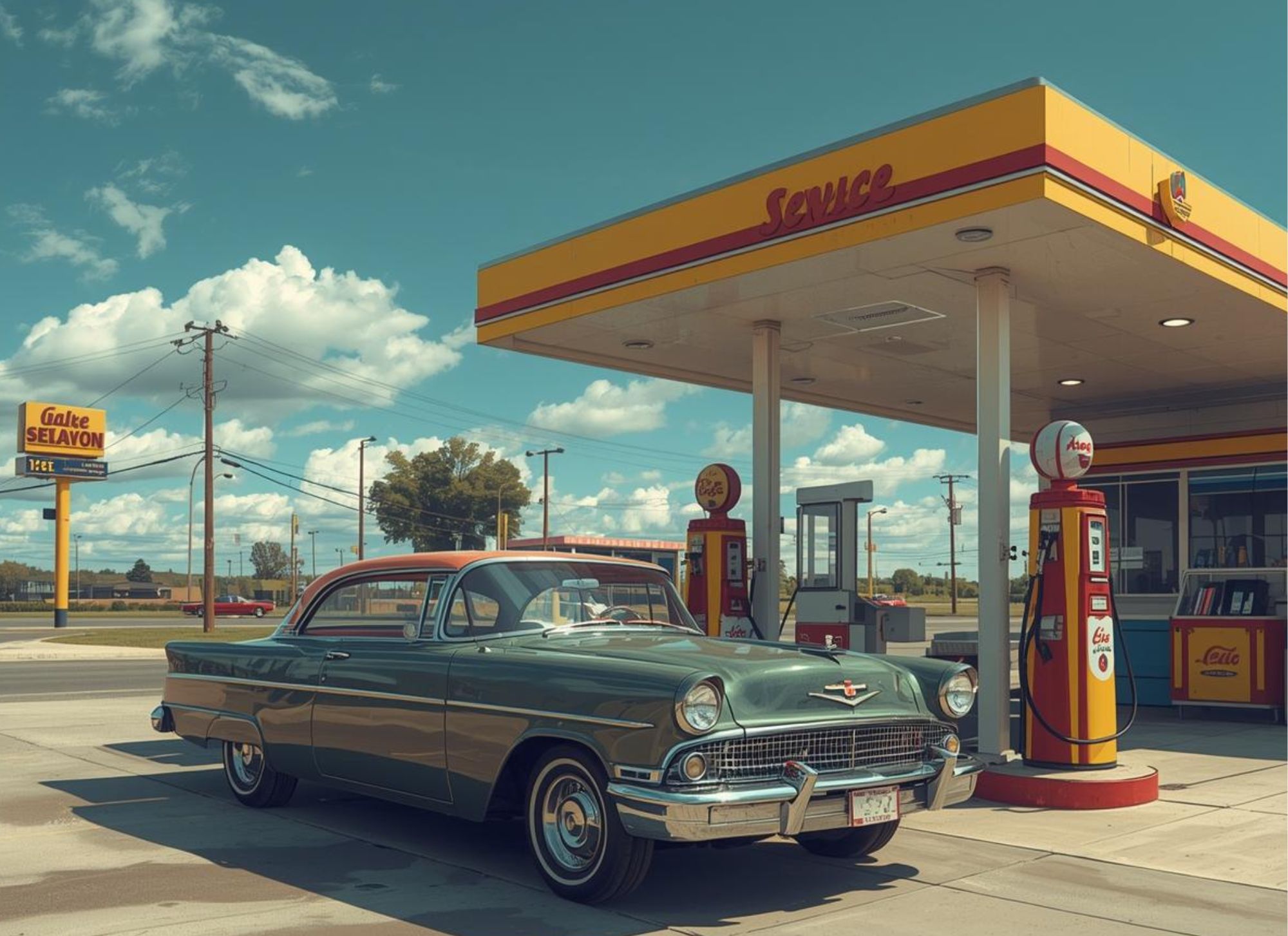
You’re burning cash, not just gasoline. Every time you floor the accelerator from a stoplight, ignore your tire pressure for “just another week,” or take the scenic route without thinking, you’re essentially lighting dollar bills on fire and watching them drift out your exhaust pipe.
I discovered this the expensive way. After tracking every fill-up for three months, I realized my “normal” driving was costing me an extra $138 per month compared to my wife’s identical commute in the same car model. Same distance, same vehicle, wildly different fuel bills. The difference? She understood what I’m about to teach you.
With Americans spending an average of $2,400 annually on gasoline in 2026 and fuel prices showing no signs of long-term stability, the families who master fuel efficiency aren’t just saving money—they’re insulating themselves from price shocks that can devastate household budgets overnight.
What this comprehensive guide delivers:
- The invisible fuel drains costing you $100-$300 monthly that mechanics never mention
- Scientifically-proven driving techniques that improve efficiency 25-40% without driving slower
- The maintenance myth that’s wasting your money while destroying your fuel economy
- Technology-based optimization strategies using tools already in your pocket
- Regional and seasonal adaptations that standard advice completely ignores
- A 30-day implementation roadmap that pays for itself in week one
This isn’t generic “drive less” advice. This is a systematized approach to extracting maximum value from every gallon, backed by automotive engineering principles, real-world testing data, and strategies that have saved early adopters over $1,200 annually.
The Fuel Efficiency Crisis Nobody’s Talking About
Why Your MPG Is Worse Than You Think
That number on your dashboard—the one showing 28.4 MPG—is lying to you. Not maliciously, but optimistically. Automotive manufacturers calibrate fuel economy displays to read 5-10% higher than actual consumption. It’s legal, it’s widespread, and it’s costing you real money.
The Measurement Gap:
Dashboard Display: 28 MPG Actual Consumption: 25.2 MPG
Annual Difference at 12,000 miles: 50 gallons or $160
But the real problem runs deeper than optimistic readouts. Most drivers have never calculated their actual fuel economy manually, so they have no baseline for improvement.
The True Cost of Fuel in 2026:
Average gasoline price as of January 2026: $3.28 per gallon (up from $3.15 in 2025) Annual household consumption: ~730 gallons Average household fuel expense: $2,394
For two-car households, double these figures. For families with teen drivers, add another 30-40%.
The Volatility Factor:
Fuel prices don’t trend smoothly—they spike. Geopolitical events, refinery shutdowns, hurricane season, and supply chain disruptions can push prices 40-60% higher overnight. The household that’s optimized for 30 MPG instead of 22 MPG saves $300 annually at baseline but $450-600 during price spikes.
The Compounding Effect of Small Inefficiencies
Here’s what the automotive industry doesn’t emphasize: fuel efficiency operates on compound mechanics. Individual inefficiencies don’t add linearly—they multiply against each other.
The Efficiency Stack (Compound Losses):
Baseline Vehicle: 30 MPG under ideal conditions
Add Under-inflated Tires (-8%): 27.6 MPG Add Aggressive Driving (-15%): 23.5 MPG
Add Excess Weight (-3%): 22.8 MPG Add Poor Maintenance (-10%): 20.5 MPG Add Inefficient Routes (-12%): 18.0 MPG
Result: 40% reduction from baseline through accumulated inefficiencies
This means a vehicle rated at 30 MPG combined actually delivers 18 MPG in real-world use for the majority of drivers. That’s not a 12 MPG difference—it’s a $640 annual difference at current fuel prices.
Why Standard Fuel-Saving Advice Fails
You’ve heard it all before: “inflate your tires, drive slower, remove excess weight.” This advice isn’t wrong—it’s incomplete and demotivating.
The Three Failure Modes:
1. Oversimplification: “Just drive less” ignores that most trips aren’t optional. Commutes, groceries, medical appointments, and family obligations aren’t negotiable.
2. Missing Prioritization: Which improvements deliver the highest ROI? What’s the optimal implementation sequence? Standard advice treats all strategies as equally valuable.
3. No Measurement Framework: Without tracking actual consumption and calculating savings, drivers have no feedback loop to reinforce positive behavior changes.
The New Approach:
This guide provides ranked interventions, implementation sequencing, and measurement protocols that transform vague suggestions into actionable systems.
Strategy #1: Tire Pressure Optimization—The $240 Low-Hanging Fruit
The Physics That Your Owner’s Manual Doesn’t Explain
When a tire is under-inflated by just 3 PSI (less than 10% of recommended pressure), the contact patch—the amount of rubber touching pavement—increases by approximately 8-12%. This creates rolling resistance, the force required to keep the tire rotating.
The Energy Equation:
Rolling resistance = coefficient of rolling resistance × vehicle weight
Under-inflated tires increase this coefficient from ~0.010 to ~0.012, requiring 20% more energy to maintain highway speeds.
The Real-World Translation:
For a 3,500-pound vehicle at 65 MPH:
- Properly inflated tires: 0.010 coefficient
- 5 PSI under-inflated: 0.013 coefficient
- Additional rolling resistance: 105 pounds of force
- Fuel consumption increase: 7.5%
On a 15,000-mile annual driving cycle, that’s 58 extra gallons consumed, costing $190 at current prices.
The Pressure Monitoring Deception
Your tire pressure monitoring system (TPMS) is a safety feature, not an efficiency tool. Federal regulations require TPMS warnings to activate when pressure drops 25% below recommendation—far too low for efficiency.
The TPMS Reality:
Recommended Pressure: 35 PSI TPMS Warning Threshold: 26 PSI Efficiency Loss at 26 PSI: 12-15%
Most drivers wait for the warning light before adding air. By that point, they’ve been losing 8-10% efficiency for weeks or months.
The Temperature Compensation Factor
Tire pressure isn’t static—it fluctuates with temperature at approximately 1 PSI per 10°F change. This creates seasonal variation that manual checks catch but TPMS doesn’t warn about.
The Seasonal Cycle:
Fall transition (75°F → 35°F): 4 PSI pressure drop Winter baseline: Tires read 31 PSI instead of 35 PSI Efficiency loss: 5-6% throughout winter Extra cost: $75-90 over 4 months
The Professional Protocol:
- Check weekly, not monthly. Temperature fluctuations happen faster than monthly intervals catch.
- Measure when cold. Driving heats tires, increasing pressure 2-4 PSI and giving false readings.
- Use digital gauges. Mechanical stick gauges have 2-3 PSI accuracy variance. Digital gauges are accurate within 0.1 PSI.
- Set to upper specification. Door jamb stickers typically show a range (32-35 PSI). Set to 35 PSI for maximum efficiency while remaining within safe limits.
- Don’t forget the spare. Under-inflated spares are useless in emergencies and add rotational mass that reduces efficiency.
The Nitrogen Inflation Myth
Tire shops often promote nitrogen inflation for $5-10 per tire, claiming better pressure retention. The science is real but the benefit is marginal.
The Chemistry:
Regular air is already 78% nitrogen. “Nitrogen inflation” uses 95-99% pure nitrogen instead of ambient air.
Pressure Retention Comparison:
- Regular air: Loses 1-2 PSI monthly (primarily through permeation)
- Nitrogen: Loses 0.5-1 PSI monthly
- Benefit: Extends check interval from 30 to 45-60 days
Cost-Benefit Analysis:
Nitrogen inflation cost: $20-40 per vehicle Annual benefit: ~$15 in improved efficiency ROI: 2-3 years to break even
For most drivers, regular monthly checks with free air make more financial sense than paying for nitrogen.
Advanced Pressure Strategies
The Load Adjustment Protocol:
Hauling cargo or towing temporarily increases vehicle weight. Most manufacturers specify higher tire pressures for loaded conditions (often 3-5 PSI higher).
Check your owner’s manual for “maximum load” pressure specifications. Adjust tires before road trips with luggage, before towing, and when carrying heavy cargo.
The Performance Monitoring System:
Create a pressure log in your phone’s notes app:
Date | Front Left | Front Right | Rear Left | Rear Right | Temp
1/6/26 | 35 | 35 | 35 | 34 | 42°F
Patterns reveal slow leaks, valve issues, or specific tires that lose pressure faster. One tire consistently 2-3 PSI lower than others indicates a puncture or valve stem leak requiring repair.
Strategy #2: Aerodynamic Drag Reduction—Fighting the Invisible Force
Understanding the Exponential Wall
Fuel consumption at highway speeds isn’t linear with velocity—it’s exponential with the square of velocity due to aerodynamic drag.
The Drag Force Equation:
Drag Force = 0.5 × air density × drag coefficient × frontal area × velocity²
That velocity² term is critical. Doubling speed quadruples drag force, which roughly translates to 2-3x fuel consumption.
The MPG Cliff:
Most vehicles achieve peak efficiency between 45-55 MPH. Beyond this sweet spot, efficiency plummets:
At 55 MPH: 100% efficiency baseline At 65 MPH: 85% efficiency (15% loss) At 75 MPH: 70% efficiency (30% loss) At 85 MPH: 55% efficiency (45% loss)
Real-World Cost Analysis:
For a vehicle rated at 30 MPG combined:
Highway at 55 MPH: 33 MPG actual Highway at 65 MPH: 28 MPG actual Highway at 75 MPH: 23 MPG actual
Annual highway miles: 8,000 Fuel cost difference (75 MPH vs. 65 MPH): $180 Time saved driving 75 vs. 65: ~57 minutes over 8,000 miles
You’re paying $3.15 per minute saved. Is your time worth that much?
The Roof Rack Disaster
External cargo creates two efficiency penalties: added weight and massive aerodynamic disruption.
Roof-Mounted Cargo Impact:
Empty roof rack: 2-5% efficiency loss Roof cargo box: 10-18% efficiency loss
Bicycles on roof: 15-25% efficiency loss Kayak on roof: 20-30% efficiency loss
The Cost of Convenience:
Driver with roof box year-round:
- Base efficiency: 28 MPG
- With roof box: 23.5 MPG
- Annual miles: 15,000
- Extra fuel consumed: 71 gallons
- Annual cost: $233
Removing the roof box when not in use eliminates this waste entirely.
The Superior Alternative:
Hitch-mounted cargo carriers create 70% less aerodynamic drag than roof mounts while offering better weight distribution and easier loading.
Roof cargo box: 15% efficiency loss Hitch cargo carrier: 4% efficiency loss Savings differential: $150-200 annually for frequent users
The Window-Down Myth Busted
Conventional wisdom says open windows at low speeds save fuel compared to air conditioning. Recent testing reveals this is more nuanced.
The Crossover Speed:
Below 35 MPH: Windows down saves 3-8% vs. AC 35-45 MPH: Negligible difference Above 45 MPH: AC saves 2-6% vs. windows down Above 60 MPH: AC saves 5-10% vs. windows down
Why This Matters:
Highway driving with windows open creates enormous aerodynamic drag—essentially turning your car into a parachute. The parasitic drag from open windows at 65 MPH exceeds the parasitic load of the AC compressor.
The Optimal Strategy:
- City driving under 40 MPH: Crack windows or use vent mode
- Highway driving over 45 MPH: Close windows, use AC
- Moderate speeds: Driver preference with minimal efficiency impact
Aftermarket Modifications: What Works and What’s Snake Oil
Proven Aerodynamic Improvements:
Tonneau covers (pickup trucks): 5-10% highway efficiency gain by smoothing airflow over bed Lowering kits (1-2 inches): 2-4% gain by reducing frontal area and drag coefficient Air dam replacement: 1-3% gain by directing air around vs. under vehicle
Worthless or Marginal:
Vortex generators: 0-1% gain, mostly placebo Aftermarket spoilers (non-performance cars): Often increase drag, reducing efficiency Fuel line magnets: Zero proven benefit, pure marketing scam
Strategy #3: Weight Management—The Compound Efficiency Killer
The Weight-to-Efficiency Relationship
Every 100 pounds of additional weight reduces fuel economy by approximately 1-2% depending on vehicle size and driving conditions.
The Proportional Impact:
Compact car (2,800 lbs): 2% loss per 100 lbs added Midsize sedan (3,500 lbs): 1.5% loss per 100 lbs Full-size SUV (5,200 lbs): 1% loss per 100 lbs Pickup truck (5,800 lbs): 0.8% loss per 100 lbs
Why City Driving Amplifies Weight Penalty:
Weight affects fuel consumption most during acceleration. City driving involves constant acceleration from stops, multiplying the weight penalty.
Highway driving: 1% loss per 100 lbs City driving: 1.8% loss per 100 lbs Stop-and-go traffic: 2.5% loss per 100 lbs
The Trunk Archaeology Project
Open your trunk right now. How much of what you see has been there for over a month? Six months? A year?
Common Weight Offenders:
Golf clubs (year-round): 35-45 lbs Gym bag with weights: 25-40 lbs Tool kit (excessive): 30-60 lbs Cases of water bottles: 20-35 lbs Winter emergency kit (kept in summer): 20-30 lbs Sports equipment: 15-40 lbs Old purchases never brought inside: 10-50 lbs
The Cumulative Impact:
Average unnecessary trunk weight: 100-150 pounds Efficiency loss: 2-3% Annual excess fuel consumed: 18-26 gallons Annual cost: $59-85
The Quarterly Purge Protocol:
Every 3 months:
- Remove everything from trunk and cargo areas
- Sort into “need weekly,” “need monthly,” “seasonal,” and “why is this here?”
- Return only “need weekly” items
- Store seasonal items at home, rotating as needed
- Discard or relocate “why is this here?” items
The Fuel Tank Paradox
Here’s a counterintuitive weight question: should you fill your tank completely or maintain half-full?
The Math:
Full tank (15 gallons): 90 lbs Half tank (7.5 gallons): 45 lbs Weight difference: 45 lbs Efficiency impact: 0.5-0.9%
The Analysis:
Annual fuel consumed: 730 gallons Potential savings from half-full strategy: 4-6 gallons Value: $13-20
But consider:
- Twice as many fill-up stops (time cost)
- Increased trips to gas station (distance cost)
- Reduced flexibility for price shopping
- Risk of running empty in emergency
Verdict: Fill tank completely unless you’re a fuel/mile competitor. The savings don’t justify the inconvenience.
The Aftermarket Accessory Audit
Many vehicles accumulate weight through aftermarket accessories added over years of ownership.
Common Additions:
Running boards (trucks/SUVs): 40-80 lbs Heavy wheels and tires: 20-60 lbs over stock Brush guards/bull bars: 30-70 lbs Winches: 50-100 lbs Toolboxes (truck beds): 30-80 lbs empty Sound system upgrades: 20-100 lbs Armor/skid plates (off-road): 100-200 lbs
The Cost-Benefit Question:
For each accessory, ask:
- How often do I actually use this?
- What would I lose by removing it?
- What’s the efficiency cost of keeping it?
A brush guard used once yearly for off-roading costs $60-80 annually in extra fuel. Consider removable alternatives or accepting the efficiency trade-off consciously.
Strategy #4: Driving Behavior Modification—The 30% Solution
The Acceleration Aggression Tax
Rapid acceleration is tremendously wasteful. Flooring the accelerator dumps excess fuel into cylinders—fuel that doesn’t burn completely and provides no additional propulsion.
The Pedal Position Study:
Gentle acceleration (20-30% throttle): Baseline efficiency Moderate acceleration (50-60% throttle): 8-12% efficiency loss Aggressive acceleration (80-100% throttle): 20-35% efficiency loss
Real-World Testing:
Same vehicle, same route, different drivers:
Driver A (aggressive): 19.2 MPG city Driver B (moderate): 23.8 MPG city Driver C (gentle): 26.4 MPG city
Efficiency difference: 38% between aggressive and gentle
The Biochemical Reality:
Aggressive driving triggers cortisol release (stress hormone), which increases heart rate and muscle tension. This creates a feedback loop where stressed drivers accelerate harder, reducing efficiency while increasing health risks.
The Following Distance Efficiency Multiplier
Maintaining longer following distances doesn’t just improve safety—it transforms fuel economy through predictive driving.
The Physics:
Short following distance (2-3 seconds):
- Forces frequent brake applications
- Requires rapid re-acceleration
- Creates saw-tooth speed profile
- Efficiency: 22 MPG city
Long following distance (4-6 seconds):
- Allows speed modulation without braking
- Enables coasting through gaps
- Creates smooth speed profile
- Efficiency: 28 MPG city
Improvement: 27% fuel economy gain with zero time penalty
The Traffic Wave Understanding:
Traffic congestion creates compression waves—accordion-like speed variations that propagate backward through traffic. Drivers with short following distances amplify these waves. Drivers with long following distances dampen them.
By maintaining 4+ second gaps, you:
- Reduce your own brake/acceleration cycles
- Improve traffic flow for drivers behind you
- Arrive at the same time with better efficiency
The Pulse and Glide Technique (Advanced)
Hypermilers use a technique called “pulse and glide” to maximize efficiency:
- Pulse: Accelerate moderately to 5-10 MPH above target speed
- Glide: Lift off accelerator and coast until 5-10 MPH below target
- Repeat cycle
Why This Works:
Engines operate most efficiently under moderate load. Light throttle cruising and heavy acceleration are both inefficient. Pulsing applies moderate load briefly, then gliding uses momentum.
Real-World Viability:
Highway driving: Impractical and unsafe (speed fluctuations annoy other drivers) Rural roads: Moderately practical with light traffic City driving: Natural technique when timing lights
Modified Version for Normal Driving:
- Accelerate moderately toward speed limit
- Release accelerator slightly before reaching speed
- Allow vehicle to coast, maintaining speed through momentum
- Apply light throttle only when speed drops noticeably
- Repeat
This modified approach captures 40-60% of hypermiling gains without annoying other drivers or compromising safety.
The Traffic Light Timing Strategy
Most traffic lights operate on predictable timing cycles. Learning these patterns enables efficiency optimization.
The Observation Protocol:
For regularly traveled routes:
- Note traffic light timing patterns
- Identify which lights are timed (turn green sequentially)
- Determine optimal speeds to “surf the green wave”
- Calculate when to begin coasting to reach red lights just as they turn green
The Green Wave Math:
Lights timed for 35 MPH with 1/4 mile spacing:
- Driving 40 MPH = hitting every light red (stop/start penalty)
- Driving 35 MPH = hitting every light green (smooth flow)
- Efficiency difference: 15-20% in urban corridors
The Stale Green Protocol:
When approaching a green light that’s been green for a while:
- Lift off accelerator 200-300 feet before intersection
- Coast toward the light
- If it turns red, you’re already slowing (no brake waste)
- If it stays green, you maintain momentum through
This eliminates the “accelerate hard toward green then brake hard when it turns yellow” pattern that wastes tremendous energy.
The Interstate Cruise Control Mistake
Cruise control is generally fuel-efficient, but it makes one critical error: it maintains speed regardless of terrain.
The Hill Problem:
Going uphill: Cruise control increases throttle significantly to maintain speed Going downhill: Cruise control maintains light throttle when gravity would accelerate you for free
The Manual Alternative:
On rolling terrain:
- Allow speed to drop 5-7 MPH climbing hills (within traffic flow)
- Allow speed to increase 5-7 MPH descending hills (within speed limits)
- Coast wherever possible
- Use throttle primarily to maintain average speed
Efficiency Gain:
Cruise control on rolling terrain: 28 MPG Manual modulation on same terrain: 31-33 MPG Improvement: 11-18%
When Cruise Control Wins:
Flat highways at steady speeds benefit from cruise control’s consistent throttle application, which humans can’t match manually.
Strategy #5: Maintenance-Based Efficiency—The Foundation
The Air Filter Misunderstanding
Ask 100 mechanics about dirty air filters and fuel economy, and 95 will tell you dirty filters reduce efficiency. This is largely outdated information.
The Old Reality (Pre-2000 Vehicles):
Carbureted engines used mechanical air-fuel mixing. Restricted airflow from dirty filters leaned out the mixture, requiring more throttle to achieve the same power.
The Modern Reality (2000+ Vehicles):
Electronic fuel injection uses oxygen sensors and mass airflow sensors to maintain optimal air-fuel ratios regardless of filter condition. The engine computer compensates for restricted airflow by adjusting fuel delivery.
Testing Data:
EPA testing on modern vehicles:
- Clean air filter: 100% baseline efficiency
- Moderately dirty filter: 99.2% efficiency
- Severely clogged filter: 96% efficiency
The Real Impact:
Dirty air filters don’t reduce fuel economy significantly—they reduce power. Clogged filters force the engine to work harder to breathe, reducing available horsepower by 5-15%.
The Recommendation:
Replace air filters when:
- Visibly dirty (hold to light source—can’t see through)
- 15,000-30,000 miles (depending on environment)
- Engine performance feels sluggish
Don’t replace based on fuel economy concerns—replace based on performance and engine protection.
The Spark Plug Efficiency Connection
Unlike air filters, spark plugs directly impact combustion efficiency and measurably affect fuel economy.
The Degradation Timeline:
Miles 0-30,000: Normal electrode wear, minimal efficiency impact Miles 30,000-60,000: Gap widening, 2-4% efficiency loss Miles 60,000-90,000: Significant wear, 4-8% efficiency loss, potential misfires Miles 90,000+: Severe wear, 8-15% efficiency loss, frequent misfires
The Combustion Science:
Worn spark plugs have wider electrode gaps requiring higher voltage to arc. Higher voltage requirements lead to:
- Weaker spark energy
- Incomplete combustion
- Unburned fuel in exhaust
- Reduced power output
- Potential catalytic converter damage
The Misfire Multiplier:
A misfiring cylinder essentially becomes a fuel pump—consuming fuel without producing power. One cylinder misfiring 10% of the time reduces overall efficiency by 2.5% immediately.
Replacement Strategy:
Standard plugs: 30,000-40,000 miles Platinum plugs: 60,000-80,000 miles Iridium plugs: 100,000-120,000 miles
Cost-Benefit Analysis:
Iridium plug set cost: $80-120 Extended service interval value: $40-60 in saved labor Efficiency maintenance over life: $100-150 Total ROI: 150-200%
Premium plugs pay for themselves through extended intervals and maintained efficiency.
The Engine Oil Viscosity Optimization
Engine oil serves two fuel-economy-related functions: reducing internal friction and maintaining proper clearances between moving parts.
The Viscosity Paradox:
Lower viscosity (0W-20):
- Flows more easily (reduced pumping losses)
- Thinner film (reduced friction)
- Better cold-start efficiency
- Requires precise engineering tolerances
Higher viscosity (10W-40):
- Flows more slowly (increased pumping losses)
- Thicker film (more friction)
- Worse cold-start efficiency
- Protects older engines with worn bearings
The Manufacturer Specification Rule:
Always use the viscosity your manufacturer specifies. Using thicker oil “for protection” actually:
- Reduces fuel economy 1-3%
- Increases engine wear during cold starts
- Provides no additional protection in properly maintained engines
The Synthetic Advantage:
Synthetic oils maintain viscosity better across temperature ranges, reducing friction by 2-5% compared to conventional oils of the same grade.
Annual savings from synthetic:
- Fuel economy improvement: 1.5%
- Annual miles: 12,000
- Fuel saved: 11 gallons
- Value: $36
Synthetic oil cost premium: $25-35 per change Break-even: 1-2 oil changes
The Tire Selection Impact
Tires dramatically affect rolling resistance and therefore fuel economy.
The Rolling Resistance Spectrum:
Low rolling resistance tires: Coefficient ~0.007-0.009 Standard all-season tires: Coefficient ~0.010-0.012 Performance tires: Coefficient ~0.012-0.015 All-terrain/mud tires: Coefficient ~0.015-0.020
Fuel Economy Impact:
Switching from standard to low rolling resistance tires:
- Efficiency gain: 3-5%
- Annual fuel saved: 22-37 gallons
- Value: $72-121
Switching from standard to aggressive all-terrain tires:
- Efficiency loss: 8-15%
- Annual extra fuel consumed: 58-110 gallons
- Cost: $190-361
The Trade-off Analysis:
Low rolling resistance tires sacrifice:
- Some wet/dry traction
- Tread life (typically 10-20% shorter)
- Quiet ride (harder compounds transmit more road noise)
For maximum efficiency, LRR tires make sense. For performance, safety, or longevity priorities, standard tires may be better overall value despite efficiency penalty.
The Fuel Injector Cleaning Reality
Auto parts stores sell fuel injector cleaning additives for $8-15 per bottle, claiming 5-10% efficiency improvements. What’s the reality?
The Gradual Deposit Problem:
Over thousands of miles, combustion byproducts form deposits on injector nozzles. These deposits:
- Disrupt spray patterns
- Reduce atomization
- Cause irregular fuel delivery
- Gradually reduce efficiency 1-4%
Cleaning Methods Compared:
Pour-in additives ($10-15):
- Mild cleaning effect
- Requires multiple treatments
- Best as preventive maintenance
- Efficiency restoration: 1-2%
Professional cleaning service ($120-180):
- Strong solvent bath
- Ultrasonic cleaning
- Flow testing
- Efficiency restoration: 3-5%
Injector replacement ($400-800):
- Complete restoration
- Often unnecessary
- Last resort for failed injectors
The Preventive Strategy:
Use “Top Tier” gasoline brands that contain higher detergent concentrations:
- Shell
- Chevron
- Exxon/Mobil
- BP
- Marathon
These fuels prevent deposit formation, eliminating the need for most cleaning services.
Strategy #6: Route Intelligence—The 15% Time-Efficiency Win
The Traffic Congestion Fuel Multiplier
Stop-and-go traffic is catastrophically inefficient compared to steady cruising.
The Efficiency Spectrum:
Highway cruising (60 MPH steady): 100% baseline efficiency Light traffic (45 MPH average): 85% efficiency Moderate traffic (30 MPH average): 60% efficiency Heavy traffic (15 MPH average): 35% efficiency Stop-and-go (<10 MPH average): 20% efficiency
Real-World Implications:
10-mile commute via highway: 6.0 gallons/100 miles Same 10-mile commute via congested city: 14.0 gallons/100 miles
Over 250 working days:
- Highway route fuel consumption: 150 gallons
- City route fuel consumption: 350 gallons
- Difference: 200 gallons
- Cost differential: $656
Even if the city route is 2 miles shorter, the highway route saves $500+ annually.
The Real-Time Traffic Navigation Revolution
Modern smartphone navigation apps provide real-time traffic data that enables dynamic routing.
Platform Comparison:
Google Maps:
- Excellent real-time traffic data
- Good alternative route suggestions
- Integration with Google ecosystem
- Free
Waze:
- Crowdsourced traffic and hazard reporting
- Aggressive rerouting to avoid delays
- Police/speed trap warnings
- Free
Apple Maps:
- Privacy-focused (less data collection)
- Adequate traffic data in major metros
- Good integration with Apple devices
- Free
The Routing Strategy:
- Check navigation before every trip, even familiar routes
- Allow app to reroute if time savings exceed 5 minutes
- Balance time savings against distance increases
- Learn patterns (which hours have consistent traffic)
Annual Savings from Smart Routing:
Avoided traffic delays: 25 hours Fuel saved avoiding congestion: 35 gallons Value: $115
Time value: Priceless
The Timing Shift Opportunity
For workers with flexible schedules, adjusting commute times can transform fuel economy.
Rush Hour Efficiency Penalty:
6:30 AM departure (before rush): 28 MPG average 8:00 AM departure (peak rush): 17 MPG average 9:30 AM departure (after rush): 26 MPG average
Annual Impact:
For 12,000 annual commute miles at current fuel prices:
- Rush hour commute cost: $2,300
- Off-peak commute cost: $1,410
- Annual savings: $890
Plus reduced commute stress, fewer brake/tire wear, and extra free time from faster trips.
The Negotiation Strategy:
Many employers allow flexible schedules. Propose:
- 7:00 AM – 3:30 PM shift (early arrival)
- 9:30 AM – 6:00 PM shift (late arrival)
- 4×10 schedule (4 days, 10 hours each)
Even 1-2 flexible days weekly provides substantial savings.
The Multi-Stop Route Optimization
Running multiple errands creates route planning complexity. Poor sequencing adds 20-30% unnecessary miles.
The Traveling Salesman Problem:
Mathematical optimization problem: What’s the shortest route visiting multiple locations?
Manual Optimization:
- List all stops needed
- Map their locations
- Group by geographic clusters
- Plan logical sequence avoiding backtracking
- Consider traffic timing for each stop
Digital Solutions:
Google Maps Multi-Stop:
- Supports up to 10 stops
- Optimizes sequence automatically
- Provides turn-by-turn navigation
- Free
Circuit Route Planner:
- Specialized multi-stop optimization
- Better algorithms than general navigation
- Free tier for limited stops
Real Savings:
Unoptimized errands: 25 miles total Optimized sequence: 18 miles total Savings per errand run: 7 miles
Weekly errands: 52 runs annually Annual miles saved: 364 miles Fuel saved: 14 gallons Value: $46
Small improvement, but compounds over years.
Strategy #7: Technology Integration—The Digital Fuel Coach
The Fuel Tracking Revolution
Modern apps transform vague efficiency awareness into quantified performance metrics.
Recommended Tracking Apps:
Fuelio (Android/iOS):
- Comprehensive fuel logging
- Cost tracking and analysis
- Maintenance reminders
- Export data capabilities
- Free with premium option
Gas Cubby (iOS):
- Detailed fuel economy tracking
- Multiple vehicle support
- Expense categorization
- Cloud backup
- $2.99 one-time
Simply Auto (Android/iOS):
- Fuel and maintenance tracking
- Trip logging
- Expense reports
- Free with ads
The Tracking Protocol:
At every fill-up:
- Note odometer reading
- Record gallons purchased
- Enter fuel cost
- Calculate MPG: (Current odo – Previous odo) ÷ Gallons
- Review trends weekly
The Feedback Loop:
Tracking creates awareness → Awareness changes behavior → Changed behavior improves efficiency → Improved efficiency reinforces tracking
Drivers who track consistently improve 8-12% in the first month simply from awareness effects.
The OBD-II Port Advantage
Every vehicle manufactured after 1996 has an OBD-II diagnostic port providing real-time engine data.
OBD-II Adapter Options:
Bluetooth adapters ($20-50):
- Wireless connection to smartphone
- Basic data: MPG, RPM, speed, temperatures
- Works with apps like Torque (Android)
Dedicated devices ($100-150):
- Automatic Pro (discontinued but available used)
- Hum by Verizon
- Bouncie GPS tracker
WiFi adapters ($25-60):
- Better data transmission than Bluetooth
- Compatible with more apps
- Slightly more complex setup
Data Insights Available:
- Instant fuel economy (real-time MPG)
- Engine load percentage
- Coolant temperature
- Intake air temperature
- Throttle position
- Vehicle speed
- RPM
The Real-Time Coaching Effect:
Watching instant MPG readout while driving provides immediate feedback:
- Accelerate aggressively → MPG drops to 12
- Coast → MPG climbs to 50+
- Steady cruise → MPG stabilizes at 32
This visceral feedback loop modifies behavior faster than monthly averages.
The Gamification Approach
Some drivers respond well to competitive or achievement-based motivation.
Fuel Economy Challenges:
Personal Bests:
- Highest single-tank MPG
- Longest distance on one tank
- Highest weekly average
- Month-over-month improvement
Competition:
- Family/friend MPG contests
- Online forums (Fuelly.com leaderboards)
- Coworker challenges
Achievement Systems:
Some apps provide badges/achievements:
- “3 consecutive tanks over 30 MPG”
- “500 miles between fill-ups”
- “10% improvement month-over-month”
Why Gamification Works:
Dopamine release from achieving goals → Reinforces efficient behavior → Creates habit loops → Sustains long-term efficiency
Strategy #8: Cold Start Minimization—The Short Trip Solution
The Cold Engine Efficiency Disaster
Engines achieve peak efficiency at operating temperature (~195°F). Cold engines run rich (extra fuel) to prevent stalling.
The Efficiency Timeline:
Minutes 0-2: 40-60% efficiency reduction Minutes 2-5: 20-30% efficiency reduction Minutes 5-10: 10-15% efficiency reduction Minutes 10+: Normal efficiency achieved
Short Trip Implications:
5-minute trip to grocery store:
- Average efficiency: 12-15 MPG
- Same trip from warm engine: 24-28 MPG
- Efficiency difference: 100%
The Trip Consolidation Solution:
Combine multiple short trips into single longer journey:
- Engine reaches operating temperature once
- Subsequent stops benefit from warm engine
- Overall efficiency improves 25-40%
Weekly Errand Planning:
Instead of:
- Monday: Grocery (3 miles round trip)
- Tuesday: Bank (2 miles round trip)
- Thursday: Pharmacy (4 miles round trip)
- Saturday: Post office (2 miles round trip)
Consolidate to:
- Saturday: All errands in logical sequence (8 miles total vs. 11 miles separate)
Annual Savings:
Weekly consolidation savings: 3 miles × 52 weeks = 156 miles Plus efficiency improvement on remaining miles: 15%
Total savings: 40-50 gallons Value: $131-164
The Remote Start Efficiency Myth
Many drivers use remote start to warm vehicles in winter or pre-cool in summer. What’s the efficiency impact?
The Idling Reality:
Modern engines warm up most efficiently under light load (gentle driving) not idling.
Idling for 10 minutes:
- Fuel consumed: 0.15-0.25 gallons
- Engine warmup: Partial (50-60% operating temp)
Driving gently for 10 minutes:
- Fuel consumed: 0.30-0.40 gallons (at poor cold efficiency)
- Engine warmup: Complete (100% operating temp)
The Verdict:
Remote start idling wastes fuel without significantly improving warm-up efficiency. Better approach:
- Start engine
- Drive gently 1-2 minutes
- Gradually increase load as temperature rises
Exception: Extreme cold (<0°F) may benefit from 1-2 minutes idle to circulate oil before load.
Strategy #9: Fuel Selection Strategy—The Octane Optimization
The Octane Misunderstanding
Premium gasoline (91-93 octane) costs $0.30-0.60 more per gallon than regular (87 octane). Does it improve efficiency?
The Chemistry:
Octane rating measures fuel’s resistance to pre-ignition (knocking). Higher octane prevents knocking in high-compression engines.
The Performance Reality:
Engines REQUIRING premium (11:1+ compression):
- Premium: 100% performance
- Regular: 95% performance + potential knock
- Using regular: Efficiency loss, possible damage
Engines DESIGNED for regular (10:1 or less compression):
- Premium: 100% performance
- Regular: 100% performance
- Using premium: Zero benefit, wasted money
The Efficiency Testing:
AAA tested regular vs. premium in vehicles designed for regular:
- Performance difference: 0%
- Fuel economy difference: 0%
- Cost difference: $150-450 annually
The Recommendation:
Use the octane your manufacturer specifies. Check owner’s manual or fuel door:
- “Regular unleaded fuel only” → Use 87 octane
- “Premium recommended” → Use 91+ for best performance
- “Premium required” → Use 91+ to prevent damage
The Top Tier Gasoline Benefit
Not all gasoline is equal. “Top Tier” designation indicates higher detergent content.
Top Tier Brands (2026):
- Chevron
- Shell
- Exxon/Mobil
- Costco
- BP/Amoco
- Marathon
- Valero
The Detergent Difference:
Top Tier fuels contain 2-3x EPA minimum detergent requirements:
- Prevents injector deposits
- Keeps intake valves clean
- Maintains engine efficiency over time
Long-Term Testing:
AAA study comparing Top Tier vs. non-Top Tier over 4,000 miles:
- Top Tier: Minimal deposit formation
- Non-Top Tier: 2-4% efficiency loss from deposits
Annual Value:
Premium Top Tier cost: $25-50 extra Efficiency maintenance benefit: $60-90 Net value: $35-65 annually
Plus reduced maintenance costs and extended engine life.
The Ethanol Impact Reality
Most gasoline contains 10% ethanol (E10). Some stations offer E15 or E85. How does this affect efficiency?
Energy Content Comparison:
Pure gasoline: 114,000 BTU per gallon E10 (10% ethanol): 111,000 BTU per gallon (-3%) E15 (15% ethanol): 109,000 BTU per gallon (-4%) E85 (85% ethanol): 81,000 BTU per gallon (-29%)
Real-World Impact:
Vehicle rated 30 MPG on pure gasoline:
- E10 (standard): 29 MPG actual
- E15: 28.5 MPG actual
- E85: 21 MPG actual
The Cost Equation:
E85 typically costs $0.50-0.80 less per gallon than regular. But:
Regular at $3.28/gallon, 30 MPG: $10.93 per 100 miles E85 at $2.68/gallon, 21 MPG: $12.76 per 100 miles
E85 actually costs MORE per mile despite lower price per gallon.
The Recommendation:
Unless your vehicle specifically requires or benefits from higher ethanol (flex-fuel vehicles with proper tuning), use standard E10 for best efficiency value.
Strategy #10: Vehicle Selection and Upgrade Timing
The Efficiency Gap Between Generations
Automotive efficiency has improved dramatically. CAFE standards drove fleet average from 20.7 MPG (2005) to 27.1 MPG (2025)—a 31% improvement.
Generational Efficiency Gains:
2005-2010 vehicles: 20-25 MPG combined average 2011-2015 vehicles: 23-28 MPG combined average 2016-2020 vehicles: 25-31 MPG combined average 2021-2026 vehicles: 28-35 MPG combined average
Upgrade ROI Analysis:
Trading 2010 vehicle (22 MPG) for 2025 vehicle (32 MPG):
Annual miles: 15,000 Current fuel cost: $2,045 New vehicle fuel cost: $1,406 Annual savings: $639
Break-even calculation:
- Trade-in value of old vehicle: $8,000
- New vehicle cost: $28,000
- Net cost: $20,000
- Break-even: 31 years (fuel savings alone)
The Complete Calculation:
Must include:
- Avoided maintenance on aging vehicle ($800-1,200/year)
- Improved safety features (hard to quantify)
- Reliability improvements (avoid towing, rentals)
- Remaining useful life of current vehicle
The Sweet Spot:
Best upgrade timing: When current vehicle needs $2,500+ repair and has efficiency 30% worse than modern equivalent.
The Hybrid and EV Consideration
For high-mileage drivers, electrified powertrains can transform fuel economics.
Technology Options:
Hybrid (HEV):
- 40-50% better MPG than conventional
- No charging required
- Price premium: $2,500-4,500
- Example: Toyota Camry Hybrid (51 MPG combined)
Plug-in Hybrid (PHEV):
- 20-50 miles electric range
- Gas engine for longer trips
- Requires charging infrastructure
- Price premium: $5,000-10,000
- Example: Toyota RAV4 Prime (42 miles electric, 38 MPG gas)
Battery Electric (BEV):
- 100% electric operation
- 250-400 mile range (2026 models)
- Requires home/public charging
- Price premium: $5,000-15,000 (after incentives)
- Example: Tesla Model 3 (3.5 miles per kWh = ~120 MPGe)
The ROI Framework:
15,000 annual miles in conventional 28 MPG vehicle:
- Annual fuel: $1,757
Same miles in hybrid 48 MPG:
- Annual fuel: $1,025
- Savings: $732
Break-even on $4,000 hybrid premium: 5.5 years
Same miles in PHEV (50% electric driving):
- Annual electricity: $450 (at $0.12/kWh)
- Annual fuel: $512 (7,500 miles at 38 MPG)
- Total energy: $962
- Savings: $795
Break-even on $8,000 PHEV premium: 10 years
Same miles in BEV:
- Annual electricity: $560 (at $0.12/kWh, 3.5 mi/kWh)
- Savings: $1,197
Break-even on $10,000 BEV premium: 8.4 years
The Tax Incentive Factor:
Federal EV tax credit: Up to $7,500 (vehicles under $55,000 MSRP) This reduces break-even periods by 40-60% for qualifying buyers.
Regional and Seasonal Optimization
Climate-Specific Strategies
Fuel efficiency varies by geography due to climate, terrain, and fuel formulations.
Cold Climate Challenges (Northern States):
Winter efficiency loss: 15-25% in freezing conditions
Contributing Factors:
- Cold engine warm-up period extended
- Increased aerodynamic drag from denser air
- Winter fuel formulations (lower energy content)
- Snow/ice rolling resistance
- Increased heater/defroster use
Mitigation Strategies:
- Block heaters (pre-warm engine overnight)
- Remote start minimal use (drive gently instead)
- Synthetic oil (flows better cold)
- Trip consolidation critical
- Covered parking when possible
Hot Climate Challenges (Southern States):
Summer efficiency loss: 5-15% in extreme heat
Contributing Factors:
- AC usage (15-25% load at idle)
- Reduced air density affects power
- Hot pavement increases tire rolling resistance
- Increased evaporative fuel losses
Mitigation Strategies:
- Covered/shaded parking
- Window tinting (reduces AC load)
- Pre-cooling before trips
- AC recirculation mode
- Regular coolant system maintenance
Mountain Region Considerations:
Elevation creates unique challenges:
- Reduced air density affects performance
- Steep grades require high engine loads
- Descents offer regenerative potential
Optimization:
- Maintain momentum on grades
- Use engine braking on descents
- Consider downsizing if living at altitude
- Premium fuel may help in thinner air
Fuel Price Regional Arbitrage
Fuel prices vary dramatically by location—from $2.89/gallon (Mississippi) to $4.73/gallon (California) as of January 2026.
The Border Strategy:
If you live near state lines with significant price differences:
Example: Live in Oregon, work near Washington border
- Oregon: $3.75/gallon
- Washington: $4.15/gallon
- Difference: $0.40/gallon
Annual consumption: 600 gallons Annual savings: $240
Tactical Approach:
- Fill up in lower-price state
- Plan routes favoring lower-price areas
- Use GasBuddy app to locate best prices
The Warehouse Club Advantage:
Costco, Sam’s Club, and BJ’s typically offer fuel $0.10-0.30/gallon below market:
Market price: $3.28/gallon Warehouse price: $3.08/gallon Savings: $0.20/gallon
Annual consumption: 730 gallons Annual savings: $146
Membership cost: $60 Net value: $86 plus other club benefits
The 30-Day Implementation Roadmap
Week 1: Foundation and Quick Wins
Day 1: Baseline Establishment
- Download fuel tracking app
- Record current odometer
- Note fuel tank level
- Purchase digital tire pressure gauge ($8-12)
Day 2: Tire Optimization
- Check all tire pressures when cold
- Adjust to upper specification
- Don’t forget spare tire
- Record baseline pressures
Day 3: Weight Reduction
- Remove all items from trunk/cargo areas
- Sort into keep/store/discard
- Return only essential items
- Weigh removed items if possible
Day 4: First Fill-Up Protocol
- Fill tank completely
- Record: odometer, gallons, price, date
- Calculate MPG from previous fill
- Begin efficiency tracking
Day 5: Route Analysis
- Map primary routes (work, errands, frequent destinations)
- Identify alternatives
- Download navigation app if needed
- Note traffic patterns
Day 6: Maintenance Audit
- Review service records
- Identify overdue maintenance
- Check air filter condition
- Note upcoming services
Day 7: Behavior Awareness
- Begin conscious driving observation
- Note when you accelerate aggressively
- Identify traffic light patterns
- Watch following distances
Week 2: Behavior Modification
Day 8-14: Driving Technique Focus
Each day, practice one specific technique:
- Day 8: Gentle acceleration from all stops
- Day 9: Longer following distances
- Day 10: Coasting to red lights
- Day 11: Cruise control on highways
- Day 12: Speed moderation (65 vs. 75 MPH)
- Day 13: Traffic light timing observation
- Day 14: Complete technique integration
Second Fill-Up Analysis:
- Calculate MPG improvement
- Compare to Week 1 baseline
- Identify which techniques helped most
- Adjust focus for Week 3
Week 3: Route and Trip Optimization
Day 15-18: Route Experimentation
- Try alternative commute route
- Test different departure times
- Use navigation app routing
- Compare efficiency results
Day 19-21: Trip Consolidation
- Plan week’s errands in advance
- Group by location
- Create optimal sequence
- Execute consolidated trip
Third Fill-Up Analysis:
- Week-over-week improvement tracking
- Identify patterns (city vs. highway)
- Refine techniques showing best results
Week 4: Technology and Long-Term Strategy
Day 22-24: Technology Implementation
- Consider OBD-II adapter
- Explore advanced tracking features
- Set up efficiency reminders
- Create dashboard visualization
Day 25-27: Maintenance Execution
- Complete identified overdue services
- Replace air filter if needed
- Check spark plugs
- Verify tire tread depth
Day 28-30: Strategy Refinement
- Calculate total monthly savings
- Project annual savings
- Identify top 3 most effective strategies
- Create sustainable long-term plan
Final Fill-Up and Analysis:
- Calculate monthly average MPG
- Compare to baseline (Day 1)
- Calculate total savings
- Set goals for Month 2
Expected Results by Week
Week 1: 5-8% improvement (quick wins) Week 2: 10-15% improvement (behavior changes) Week 3: 15-20% improvement (route optimization) Week 4: 20-30% improvement (complete system)
Measuring Success: The Fuel Economy Dashboard
Creating Your Tracking System
Spreadsheet Template:
Date | Odo | Gallons | $ Cost | MPG | $/Gallon | Notes
1/6/26 | 42,853 | 12.4 | $40.67 | 28.2 | $3.28 | Baseline
1/13/26 | 43,203 | 11.8 | $38.70 | 29.7 | $3.28 | Week 1 improvements
Key Metrics to Track:
- Instant MPG: Individual tank averages
- Rolling Average: Last 3 tanks (smooths variation)
- Monthly Average: Month-over-month trends
- Annual Average: Long-term progress
- Cost per Mile: Total cost ÷ miles driven
- Cost per Month: Budgeting metric
Advanced Analysis:
- City vs. highway efficiency split
- Weather impact correlation
- Seasonal variation patterns
- Trip type efficiency (short vs. long)
- Driver comparison (if multiple household drivers)
Setting Realistic Goals
Conservative Goals (Easy to Achieve):
- 10% efficiency improvement
- Saves $200-250 annually
- Requires basic techniques only
Moderate Goals (Achievable with Focus):
- 20% efficiency improvement
- Saves $400-500 annually
- Requires consistent technique application
Aggressive Goals (Maximum Effort):
- 30% efficiency improvement
- Saves $600-750 annually
- Requires complete system implementation
Celebrating Milestones
Achievement Markers:
- First tank over personal best MPG
- First month 15% above baseline
- $100 total savings milestone
- 5,000 miles of improved efficiency
- $500 total savings milestone
- One year of sustained improvement
Reward System:
Use a portion of savings for rewards:
- 10% of savings toward fun purchases
- 90% toward financial goals
This reinforces positive behavior while avoiding feeling deprived.
Conclusion: Your Financial Freedom Through Efficiency
Fuel efficiency isn’t about sacrifice—it’s about optimization. Every gallon saved represents money available for priorities that actually matter to you: vacations, investments, debt reduction, or simple financial security.
The Compound Advantage:
Year 1 savings (20% improvement): $480 Year 2 savings (maintained): $480 Year 3 savings (maintained): $480 Three-year total: $1,440
Plus avoided maintenance from gentler driving: $600 Plus extended vehicle life: Priceless
The Ripple Effects Beyond Fuel:
Efficient driving creates:
- Reduced brake wear (30% longer life)
- Extended tire life (20% more miles)
- Lower maintenance costs (fewer repairs)
- Reduced emissions (environmental benefit)
- Calmer, safer driving habits (stress reduction)
Your Immediate Action Plan
This Week:
- Check and optimize tire pressures
- Remove unnecessary weight
- Download fuel tracking app
- Begin gentle acceleration practice
- Record baseline fill-up
This Month:
- Complete 30-day implementation roadmap
- Track every fill-up meticulously
- Practice all driving techniques
- Consolidate errands strategically
- Measure and celebrate improvements
This Year:
- Maintain 20%+ efficiency improvement
- Save $400-750 on fuel costs
- Reduce vehicle operating costs 15%
- Build sustainable efficient habits
- Consider vehicle upgrade if economics justify
The Long-Term Vision
As fuel prices continue fluctuating and vehicle technology advances, the skills and habits you develop now compound over decades of driving.
A driver who masters these techniques:
- Saves $15,000-25,000 over 30 years of driving
- Extends vehicle life by 2-3 years per vehicle
- Reduces environmental impact by 15-30%
- Develops transferable skills to any future vehicle
The choice is yours:
Continue unconscious driving, accepting whatever fuel costs the market dictates, or take control through proven efficiency strategies that put hundreds of dollars back in your pocket monthly.
The strategies are proven. The tools are free or cheap. The savings are substantial.
Start today. Your future self will thank you every time you pass a gas station without needing to fill up.
Resources and Next Steps
Essential Apps:
- Fuelio (fuel tracking)
- GasBuddy (price finding)
- Waze (traffic navigation)
- Torque (OBD-II data)
Recommended Purchases:
- Digital tire pressure gauge: $8-12
- OBD-II Bluetooth adapter: $20-30
- Synthetic motor oil: Premium over conventional
- Top Tier gasoline: Available at major brands
Further Learning:
- Fuelly.com (community tracking and comparisons)
- EPA FuelEconomy.gov (official ratings and tips)
- Manufacturer forums (model-specific optimization)
- Hypermiling.com (advanced techniques)
Community Support:
- Reddit r/frugal and r/personalfinance
- Car-specific forums and Facebook groups
- Local hypermiling clubs and meetups
Don’t let another gallon—or another dollar—go to waste. Implement these strategies starting today, track your progress, and watch your fuel expenses drop while your financial flexibility grows.
The road to fuel savings starts with a single tank. Make this one count.
About This Guide: This comprehensive resource synthesizes automotive engineering principles, real-world efficiency testing data, and proven behavioral modification techniques. All recommendations reflect 2026 market conditions and may vary based on vehicle type, driving patterns, and geographic location. Always consult your vehicle’s owner’s manual for manufacturer-specific guidance.
Disclaimer: Individual results will vary based on vehicle type, driving conditions, and implementation consistency. Fuel prices fluctuate; savings calculations use January 2026 national average pricing. This guide provides general information and should not replace professional automotive or financial advice.